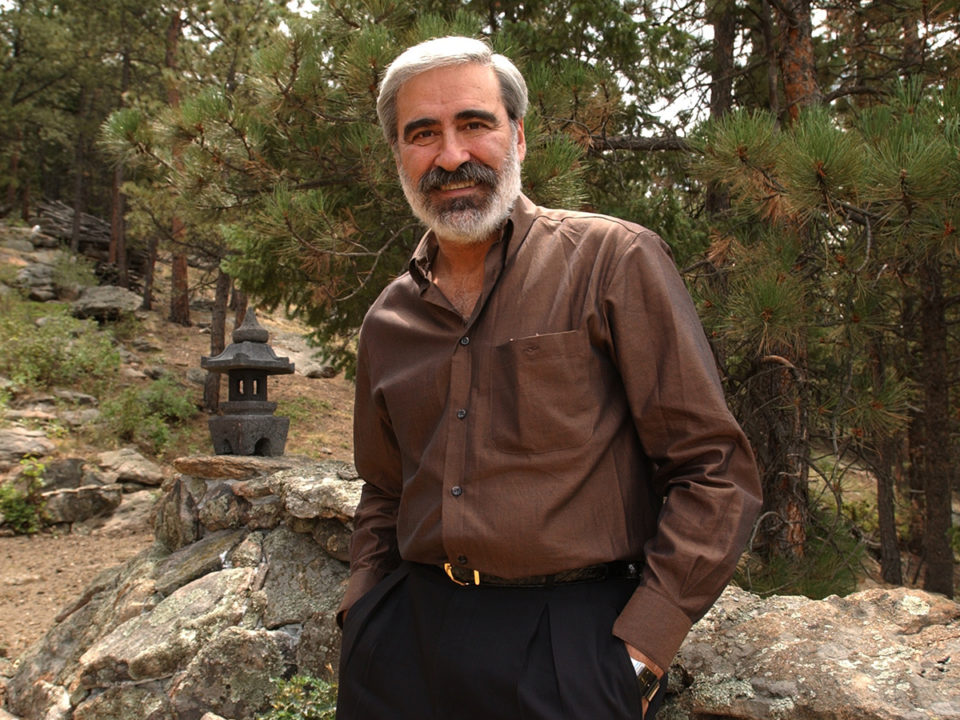
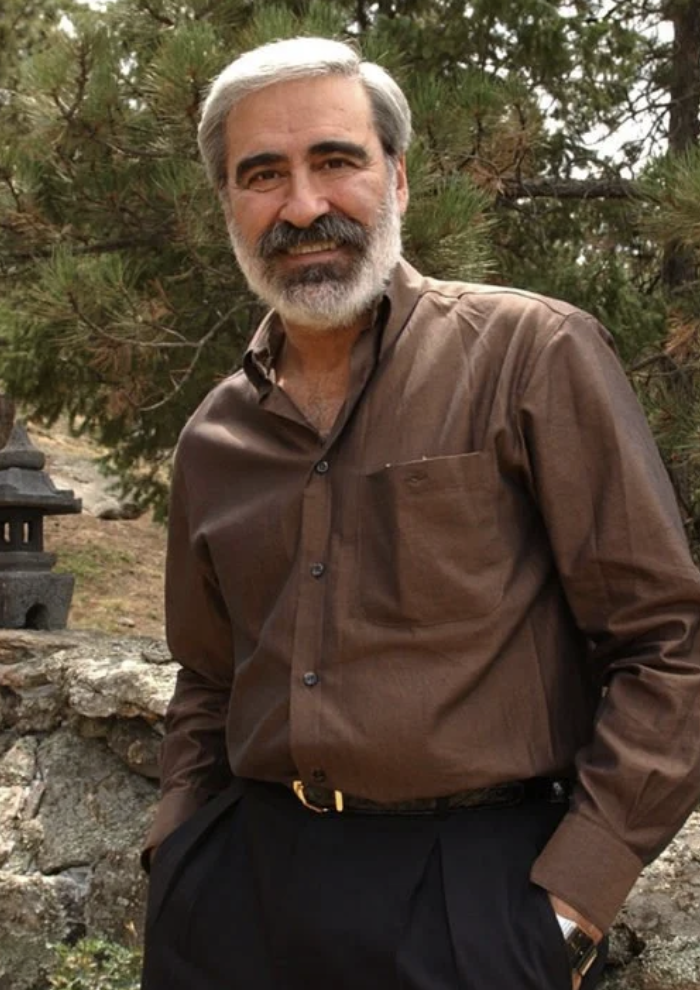
Dr. David Schnarch (1946-2020) was a clinical psychologist, author, and pioneering couples therapist who fundamentally changed how we understand intimacy, sexuality, and personal growth within committed relationships. His Crucible Approach has helped countless couples transform their relationships and themselves.
A Life Dedicated to Understanding Relationships
David Schnarch earned his Ph.D. in psychology and dedicated over four decades to studying and treating couples. Unlike many of his contemporaries who focused on communication techniques or conflict resolution, Schnarch became fascinated with a deeper question: Why do some couples grow and thrive while others stagnate?
His answer—the concept of differentiation—would become the cornerstone of the Crucible Approach and revolutionize couples therapy.
The Birth of the Crucible Approach
Schnarch developed his approach through years of clinical work with couples facing every imaginable challenge: sexual difficulties, affairs, communication breakdowns, and the slow erosion of intimacy that affects many long-term relationships.
What he discovered surprised him: the couples who improved weren't necessarily the ones with better communication skills or fewer problems. They were the ones willing to grow as individuals—to become more of who they truly were, even when that created temporary discomfort in the relationship.
This insight led him to coin the term "Crucible Therapy," drawing on the metallurgical metaphor of a crucible—a container that withstands intense heat to refine metals. Similarly, committed relationships create the pressure and heat necessary to refine us as people.
Groundbreaking Contributions
Marriage as a "People-Growing Machine"
Perhaps Schnarch's most revolutionary idea was reframing what marriage is for. While conventional wisdom held that relationships should primarily provide comfort and security, Schnarch argued that marriage is designed to promote growth. The challenges couples face aren't bugs—they're features. They push us to develop greater maturity, integrity, and what he called "differentiation."
The Four Points of Balance
Schnarch identified four key capacities that well-differentiated people develop:
- Solid Flexible Self – Having clear values and identity while remaining open to growth
- Quiet Mind-Calm Heart – The ability to self-soothe and regulate emotions
- Grounded Responding – Acting from values rather than reactivity
- Meaningful Endurance – Tolerating discomfort in service of growth
Self-Validated Intimacy
Schnarch introduced the concept of self-validated intimacy—the ability to share yourself authentically without needing your partner's approval or validation. This stood in contrast to "other-validated intimacy," where we only feel comfortable sharing things our partner already accepts.
Eyes-Open Sex and Intimacy
Schnarch's work on sexuality was groundbreaking. He argued that true sexual intimacy requires being willing to be fully "seen" by your partner—which most people find terrifying. His concept of "eyes-open sex" wasn't just about literal eye contact; it was about the vulnerability of being truly known during intimate moments.
Major Works
Schnarch authored several influential books that brought his ideas to a wider audience:
- Passionate Marriage (1997) – His landmark work that introduced differentiation-based couples therapy to the general public. This book challenged conventional wisdom about keeping passion alive and offered a radically different path.
- Intimacy & Desire (2009) – A deep exploration of sexual desire in long-term relationships, explaining why desire problems are normal and how they can catalyze growth.
- Brain Talk (2018) – His final book, integrating neuroscience findings with his clinical observations about how relationships shape our brains.
The Crucible 4 Points of Balance Workbook
For those wanting practical exercises to develop differentiation, Schnarch created the Crucible 4 Points of Balance Workbook, which guides individuals through exercises designed to strengthen each of the four points.
Legacy and Continuing Influence
Dr. Schnarch passed away in October 2020, but his work continues to influence therapists and couples worldwide. His approach has been particularly impactful because it offers something different from other couples therapy models:
- It focuses on growth, not just problem-solving. Rather than just teaching couples to manage conflict, Crucible Therapy helps them become more capable people.
- It normalizes difficulty. Schnarch's framework helps couples see their struggles not as signs of failure but as natural growth opportunities.
- It emphasizes self-development. Rather than focusing on what your partner should do differently, the Crucible Approach asks what growth is being asked of you.
- It integrates sexuality and intimacy. Unlike approaches that treat sexual issues separately, Schnarch saw them as windows into the core dynamics of the relationship.
Finding a Crucible Therapist
The Crucible Institute, co-founded by Dr. Schnarch and his wife Dr. Ruth Morehouse, continues to train therapists in this approach. Many therapists worldwide now incorporate Crucible principles into their practice.
A Personal Reflection
What makes Schnarch's work so powerful is its honesty. He didn't promise that relationships would be easy or that following certain steps would guarantee happiness. Instead, he offered something more valuable: a framework for understanding why relationships are hard and how that difficulty can become meaningful.
His message was ultimately hopeful: Yes, intimate relationships will challenge you. Yes, you will face gridlock and struggle. But these challenges are not signs of a broken relationship—they're invitations to become a better version of yourself. And when you accept that invitation, both you and your relationship can be transformed.